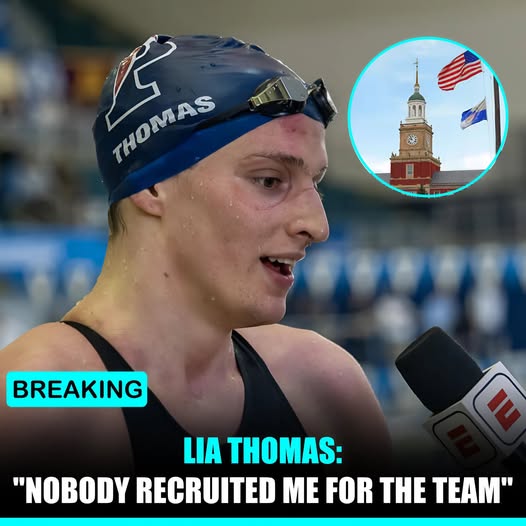
Lia Thomas burst onto the global stage in 2022 as the first transgender woman to claim an NCAA Division I swimming title. Her victory in the 500-yard freestyle for the University of Pennsylvania sparked intense debate. It highlighted tensions between inclusion and competitive fairness in women’s sports.
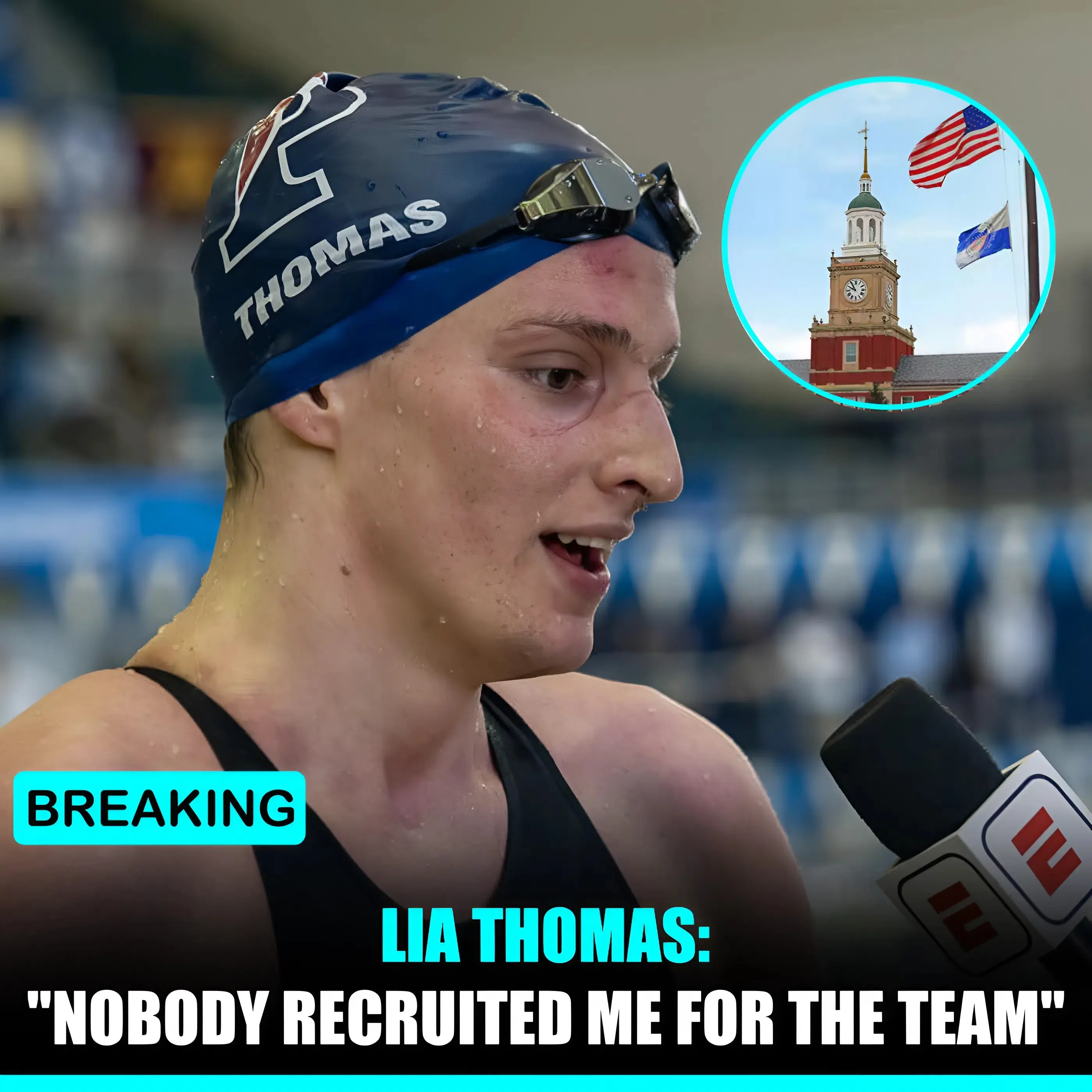
Born in 1999, Thomas initially competed on Penn’s men’s team for three seasons. She ranked 554th nationally in the 200-yard freestyle during her sophomore year. Transitioning in 2019, she underwent hormone replacement therapy, meeting NCAA eligibility rules for women’s events.
By her senior year, Thomas dominated, winning three Ivy League titles and setting program records. Her NCAA triumph was historic, yet controversial. Critics argued her prior male puberty conferred unfair advantages, fueling calls for stricter policies.
World Aquatics, swimming’s governing body, responded swiftly in June 2022. They banned transgender women who experienced male puberty from elite women’s races. Only those transitioning before age 12 could compete, aiming to preserve fairness.
Thomas, undeterred, challenged the policy at the Court of Arbitration for Sport (CAS). In January 2024, she filed, claiming discrimination under the Olympic Charter and human rights laws. The case sought to invalidate the ban entirely.
CAS dismissed her appeal in June 2024 on procedural grounds. Judges ruled Thomas lacked standing, as she wasn’t a USA Swimming member or competing for World Aquatics events. This effectively barred her from the Paris Olympics, dashing her elite dreams.
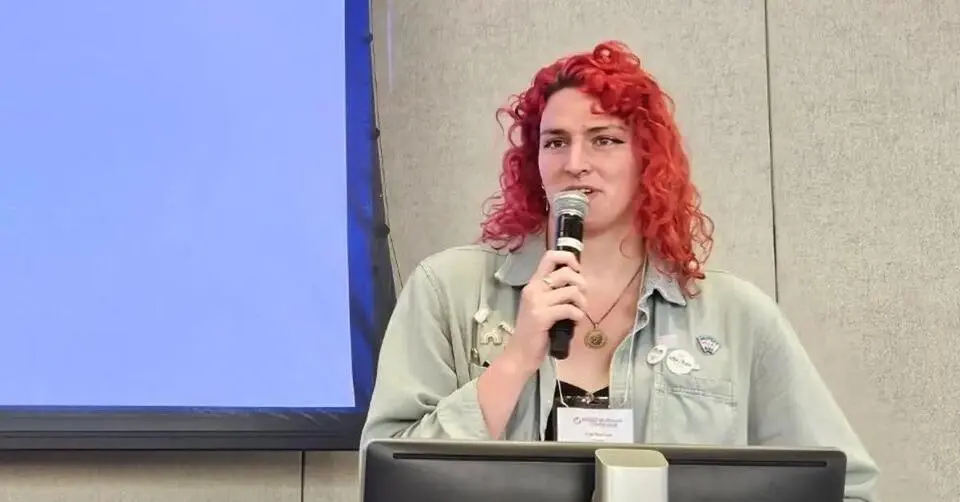
The ruling echoed across sports, with track, cycling, and others adopting similar exclusions. Supporters hailed it as protecting women’s categories from physiological edges. Detractors decried blanket bans as discriminatory against trans identities.
Post-collegiate, Thomas eyed professional paths, but barriers mounted. USA Swimming requires case-by-case testosterone suppression reviews. Yet, without World Aquatics clearance, international meets remained off-limits, limiting her opportunities.
In February 2025, backlash intensified with a lawsuit from three former Penn swimmers. Filed against Penn, Harvard, the Ivy League, and NCAA, it alleged Title IX violations from Thomas’s 2022 participation. Plaintiffs sought damages for lost fairness in championships.
The suit, represented by ex-NCAA official Bill Bock, exposed internal deliberations. Emails revealed coaches’ discomfort, like locker room changes mid-season. It claimed institutions prioritized “radical gender ideology” over equity.
Thomas’s supporters countered fiercely. Over 300 swimmers signed a letter backing her, organized by trans athlete Schuyler Bailar. Olympic medalist Brooke Forde emphasized dignity over trophies. Erica Sullivan penned a Newsweek op-ed praising Thomas’s rule adherence.
The ACLU defended her inclusion, stating women’s sports must encompass all women. Athlete Ally condemned exclusions as rights violations. Yet, public sentiment leaned critical, with figures like Riley Gaines amplifying opposition.
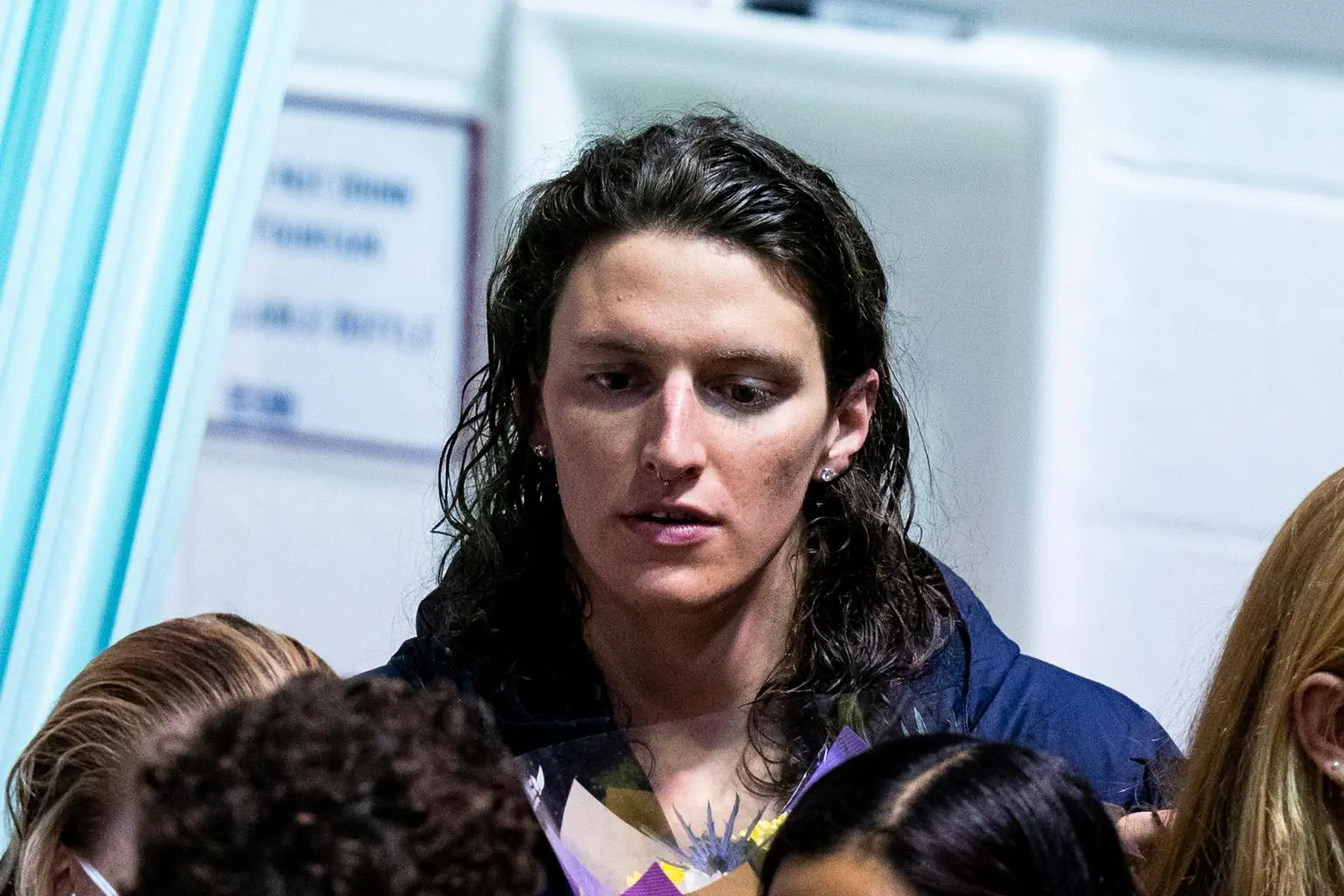
Federal intervention escalated in March 2025 under the second Trump administration. The Department of Education froze $175 million in Penn’s funding—17.5% of its federal total. Officials cited Title IX breaches from allowing Thomas’s competition.
This marked a policy shift, reinterpreting Title IX to exclude trans women from women’s teams post-puberty. Penn faced audits and threats of broader cuts. The move rippled to other universities, pressuring compliance on gender policies.
By July 2025, Penn capitulated in a settlement. They agreed to ban transgender athletes from women’s sports, erasing Thomas’s records in the 100, 200, and 500 freestyles. Affected swimmers received restored titles and personal apologies.
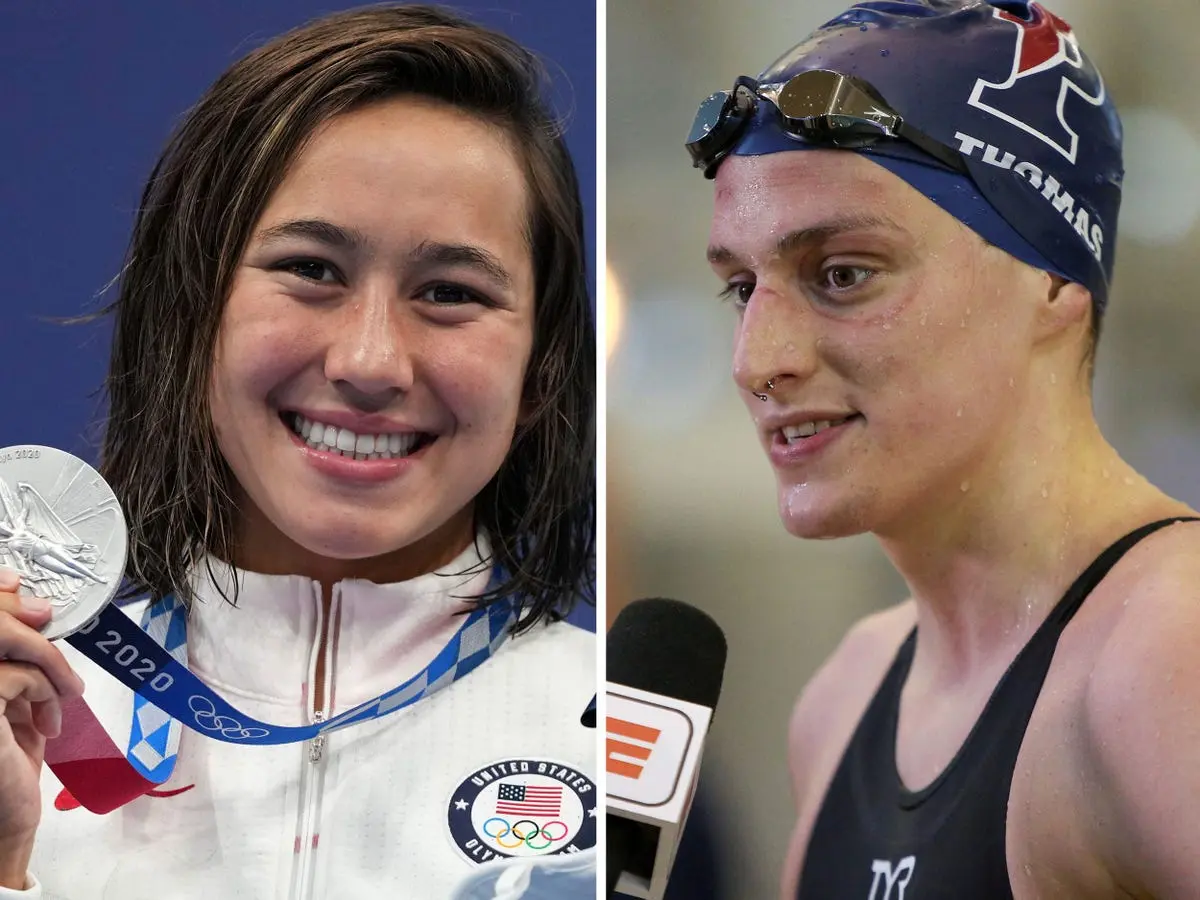
Advocacy defines her now. She partners with Athlete Ally, pushing for open categories or adjusted standards. Thomas testified in congressional hearings on trans rights, emphasizing mental health impacts of exclusion.
Her story intersects broader 2025 shifts. Enhanced Games, a 2026 Las Vegas event, invites doped athletes, including trans competitors. World Aquatics shelved its open category after zero entries, underscoring inclusion challenges.
Critics like Gaines celebrate victories for “women and girls.” They argue puberty’s irreversible gains—muscle mass, bone density—undermine equity. Studies, like a 2021 British Journal of Sports Medicine review, support retained advantages post-therapy.
Proponents cite variability in female performance and ethics. A 2023 IOC framework prioritizes inclusion absent clear harm evidence. Thomas embodies this divide, her 6’1″ frame once celebrated, now scrutinized.
Legally, appeals linger. USA Swimming faces suits over past inclusions. Title IX clarifications under Trump signal tighter rules, potentially nationwide bans. Trans athletes in other sports, like Laurel Hubbard, face parallel fates.
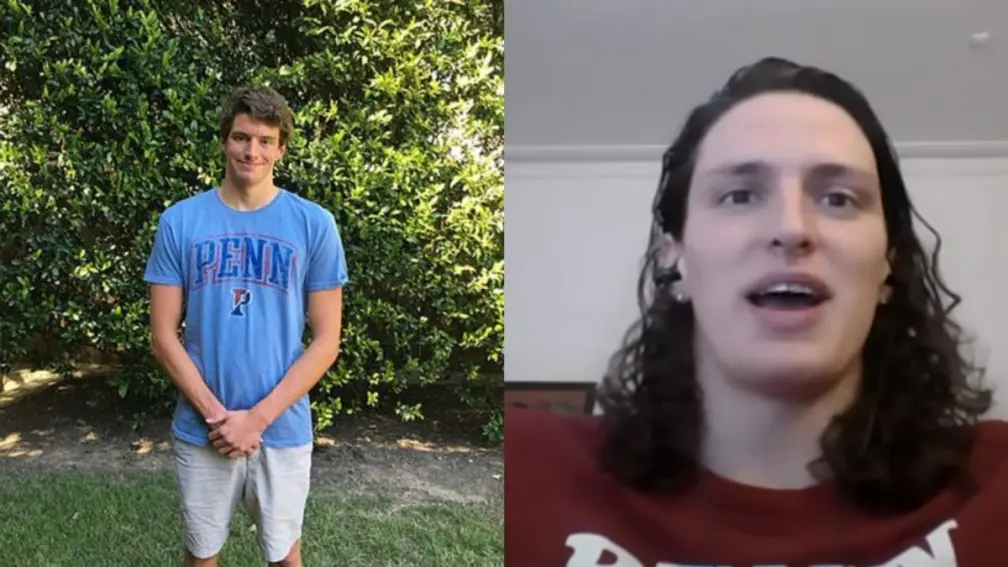
Thomas’s resilience shines through. She pursues law school, eyeing policy reform. In her WHYY chat, she swims recreationally, reclaiming passion sans pressure. “It’s about the water, not the wins,” she said.
As 2025 closes, her legacy endures. From trailblazer to pariah, Thomas catalyzed change. Debates rage on X and forums, with #SaveWomensSports trending. Yet, supporters rally #TransAthletesBelong.
No U.S. college team has recruited her since Penn, per reports. Fears of funding cuts and lawsuits deter coaches. World Aquatics’ ban, upheld sans gender tests, seals elite exile. Thomas trains solo, voice amplified in advocacy.
Her journey underscores sports’ soul: unity amid division. As policies evolve, Thomas persists, a beacon for trans youth. Inclusion demands courage; fairness, science. Her story, unfinished, urges dialogue over decree.
🚨JUST NOW: Donald Trump marked Cristiano Ronaldo’s trip to the Oval Office this week by gifting him a golden key to the White House🔑

In the heart of Washington D.C., where power and prestige converge, an extraordinary meeting unfolded this week. Cristiano Ronaldo, the Portuguese football icon, stepped into the Oval Office for a private audience with U.S. President Donald Trump.