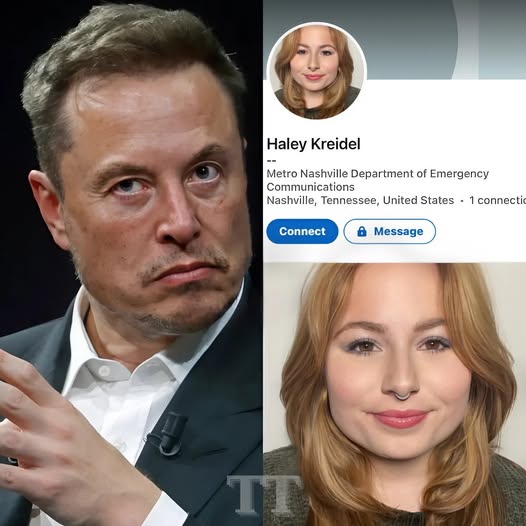

BREAKING: Elon Musk FIRED Tesla data analyst Beth Ayers after she mocked Charlie Kirk’s death with a “rest in p!ss” post. No company should keep people who encourage assassinations. Kudos to Elon for acting quickly.
In the world of tech, politics, and social media, few names ignite headlines quite like Elon Musk. Whether he’s unveiling a new rocket, reshaping the future of electric vehicles, or dropping a late-night tweet that rattles markets, Musk has a reputation for decisive action. But this week, the Tesla and SpaceX CEO made a move that stunned Silicon Valley, Washington, and the entire internet alike:He fired Tesla data analyst Beth Ayers on the spot after she posted a vicious comment mocking conservative activist Charlie Kirk’s death, writing the words: “rest in p!ss.”
The post, widely interpreted as celebrating violence, sent shockwaves across industries and sparked a heated national conversation about free speech, accountability, and the responsibilities of corporations in an era where online comments can make or break careers.
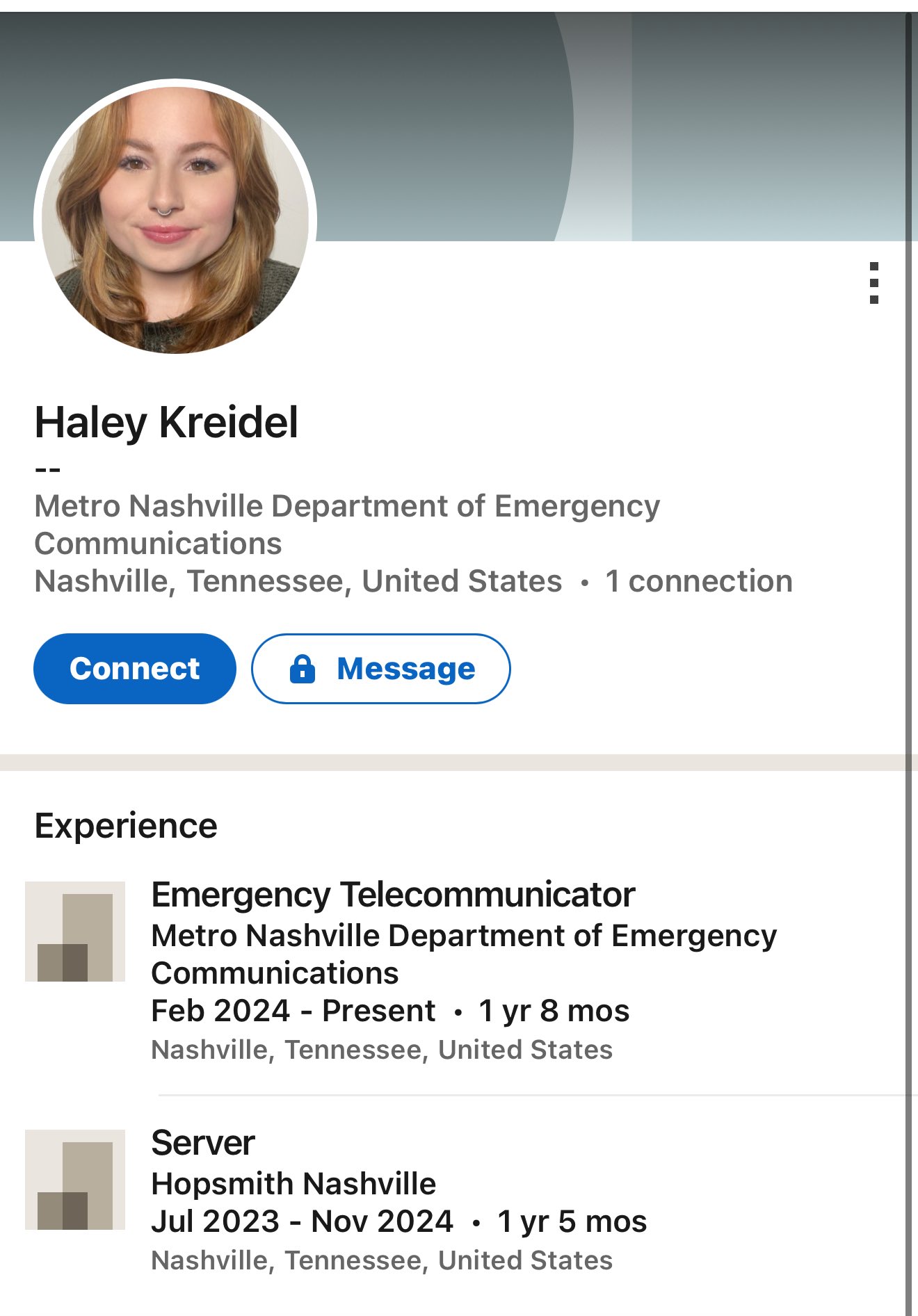
The Post That Sparked a Firestorm
It all began on a quiet Tuesday evening when screenshots of Ayers’s post started spreading on X (formerly Twitter). In the post, allegedly written on a private account later traced back to Ayers, she mocked news of Charlie Kirk’s death and capped it off with the phrase “rest in p!ss.”
Within hours, the screenshots went viral. Outrage poured in from Kirk’s supporters, conservatives, and even many who disagreed with Kirk politically but were horrified at what they viewed as a celebration of death.
“Encouraging violence or mocking someone’s death crosses every line of decency,” one commentator tweeted. “This isn’t politics — this is inhuman.”
Elon Musk Responds
Elon Musk, who has been outspoken about freedom of speech but equally clear about the dangers of promoting violence, wasted no time. Less than 12 hours after the controversy erupted, Tesla issued a blunt statement:
“Beth Ayers is no longer employed by Tesla. We do not condone or tolerate any statements that encourage or celebrate harm, regardless of political affiliation.”
Musk himself weighed in shortly after, writing on X:
“Free speech does not mean freedom from consequences. No company should employ people who encourage assassinations. Kudos to the Tesla team for acting quickly.”
The statement, just 23 words long, reverberated worldwide. Supporters hailed Musk as principled and decisive. Critics accused him of selectively enforcing morality. But one thing was certain: the decision left no room for ambiguity.
Who Is Beth Ayers?
Until this week, Beth Ayers was virtually unknown outside Tesla’s engineering circles. A mid-level data analyst, she had worked on projects related to vehicle safety metrics and AI modeling. Colleagues described her as technically brilliant but politically outspoken.
“She wasn’t shy about her views,” one former coworker revealed. “She would argue politics during lunch breaks. But no one thought she’d go this far.”
Her firing not only ended her Tesla career but also raised questions about her future in tech, where reputational baggage can follow professionals for years.
Charlie Kirk: A Polarizing Figure
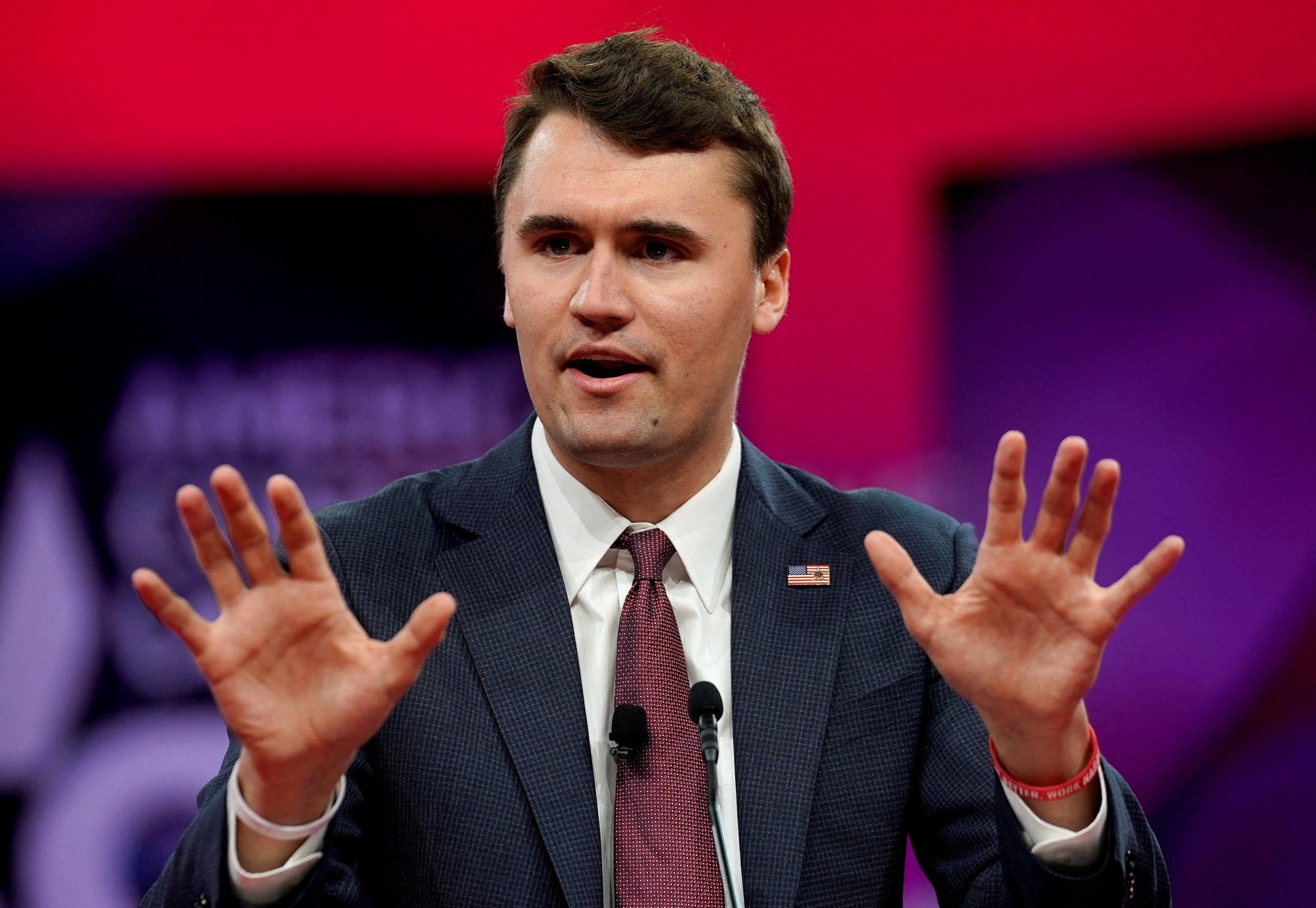
Charlie Kirk, the conservative activist and founder of Turning Point USA, has long been a polarizing figure in American politics. Loved by supporters for his brash style and vilified by critics for his fiery rhetoric, Kirk’s death was itself controversial — sparking debates, tributes, and anger across the spectrum.
But Ayers’s comment crossed a line even many of Kirk’s harshest critics weren’t willing to cross. “You don’t have to agree with him to respect the fact that celebrating his death is grotesque,” one political journalist wrote.
Hollywood and Washington React
The fallout was immediate. Politicians weighed in, with conservative lawmakers praising Musk’s quick response and liberal voices urging caution about corporate overreach.
-
Senator Marco Rubio tweeted: “This is exactly the kind of accountability we need. Elon did the right thing.”
-
Progressive activists, meanwhile, worried about precedent. “Firing people for political comments, however distasteful, is a slippery slope,” one activist argued.
Hollywood celebrities also chimed in. Some praised Musk’s decision as a necessary stand against hate speech, while others accused him of grandstanding for political points.
A Nation Divided
The incident has become yet another flashpoint in America’s cultural divide. For conservatives, it was proof that Musk was willing to enforce standards and protect dignity, even when it came at the cost of firing staff. For progressives, it raised alarms about the boundaries of speech in private life versus professional consequences.
Social media itself became a battlefield, with hashtags like #ElonFiresBeth, #RestInPiss, and #TeslaAccountability trending simultaneously.
The Corporate Dilemma
Tesla’s decision also reignited the broader debate about the role of corporations in policing speech. Should companies punish employees for what they say online, even outside of work hours? Where is the line between personal freedom and professional responsibility?
Experts remain divided. Some argue corporations have every right to protect their brand from reputational harm. Others worry that such firings could lead to a chilling effect, where employees live in fear of expressing opinions, even privately.
“Companies today don’t just sell products,” one corporate ethicist explained. “They sell values. When an employee undermines those values in public, the company has no choice but to act.”
Musk’s Reputation Reinforced
For Elon Musk, this episode reinforced his image as a leader who makes swift, uncompromising decisions. While critics accuse him of impulsiveness, his supporters argue that decisiveness is what makes him effective.
“He didn’t hide behind legal teams or delay with investigations,” one Tesla shareholder noted. “He acted within hours. That’s leadership.”
What’s Next for Tesla?
Though Ayers’s firing has dominated headlines, Tesla itself continues to march forward. Insiders say the company is preparing for major announcements in AI integration and next-generation EV models. Still, the controversy has cast a shadow, raising questions about the culture inside one of the world’s most high-profile companies.
Beth Ayers’s Future
As for Beth Ayers, her future remains uncertain. Attempts to reach her for comment have gone unanswered. Friends say she has deactivated her accounts and gone into “digital hiding.”
“It’s tragic,” one former colleague said. “She was brilliant. But one post destroyed everything.”
A Lesson for the Digital Age
In the end, the firing of Beth Ayers is more than a corporate HR decision. It’s a cautionary tale about the power of words in the digital age. One post, one phrase, one lapse in judgment can undo years of hard work and alter the course of a career forever.
Elon Musk’s decisive action may have saved Tesla from reputational damage, but it also opened a national conversation about where we draw the line between free speech and professional accountability.
And perhaps that was Musk’s real point: in a world where tweets can topple markets, words matter. They always have, but now more than ever.